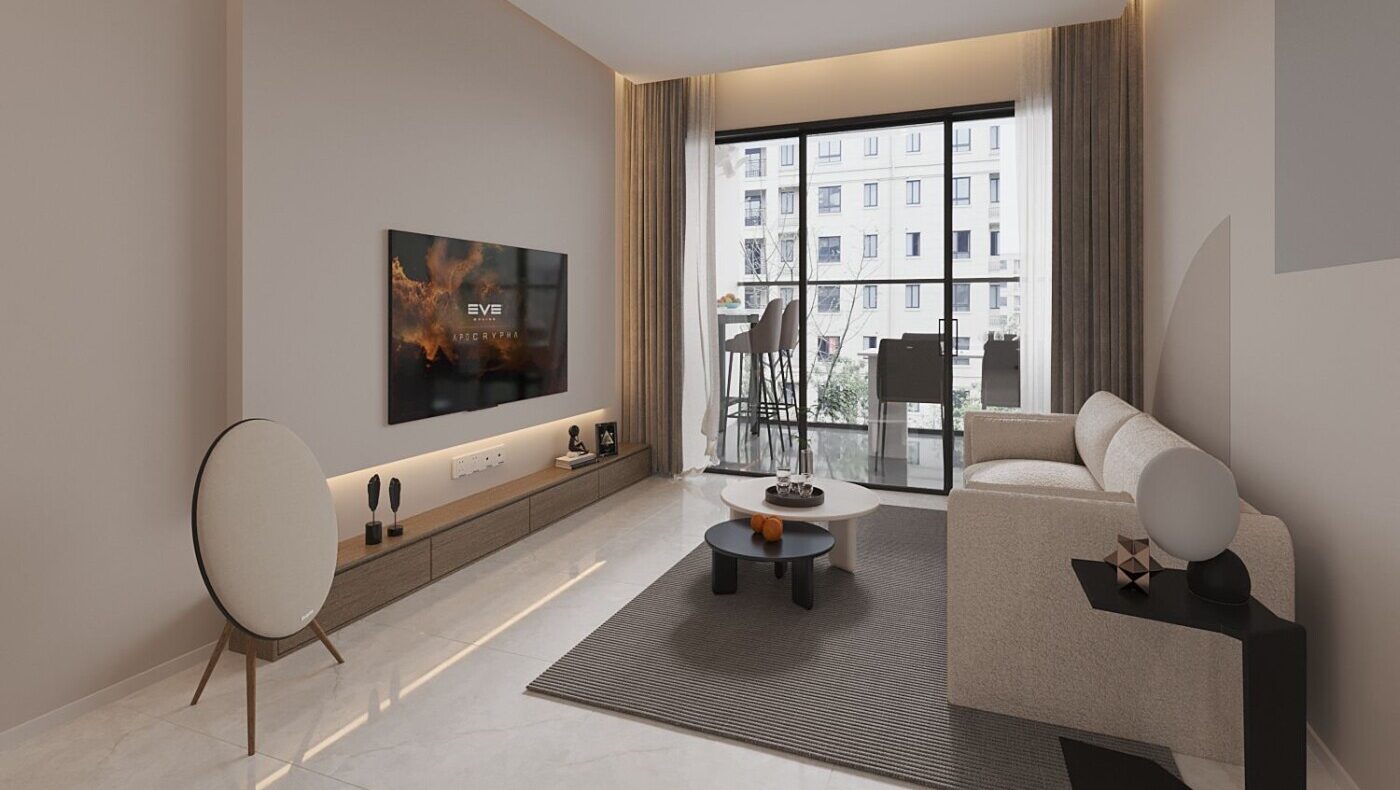
Renovating a home in Singapore can feel high stakes whether the property is a new BTO flat, resale HDB, condominium, or landed home. The financial commitment, tight timelines, and desire for a lasting result can make every decision feel permanent.
At first, the process is exciting. Inspiration images, layouts, materials, lighting, and furniture all help build a picture of the finished home. As decisions accumulate, however, constant comparison and second guessing can become exhausting.
Design regret rarely comes from one wrong tile or paint colour. It is more often linked to unclear priorities, overthinking, and trying to make every detail perfect. A clearer approach is to focus on daily life, separate high impact decisions from easily changed details, and leave room for the future.
Design Around Daily Life, Not Just Inspiration
Pinterest and Instagram can provide useful inspiration, but a beautiful reference does not automatically suit the way a household lives.
Singapore homes come with their own constraints, whether that means limited space in a BTO, unusual corners in a resale HDB, or open layouts in a condominium.
A bar counter may look appealing but interfere with the morning rush. Open shelving can become a magnet for dust and grease in Singapore's humid conditions. A multi generational home may also need to balance mobility, privacy, and shared spaces.
The most useful starting point is to think through how the household actually cooks, entertains, relaxes, works, and rests.
Spend a day mentally walking through typical morning and evening routines. Where does clutter build up? Where do people get stuck? Which places feel comfortable? Those observations can guide practical choices.
Tip: Mentally walk through a typical weekday from morning routines to evening wind down and check whether the design supports everyday life comfortably.
Focus on Decisions That Are Hard to Undo
Decision fatigue can make homeowners spend too much time on small choices such as drawer pull colours, handle lengths, or a single lighting detail.
Meanwhile, decisions with much greater long term impact may receive less attention.
Layout configuration, main plumbing and electrical points, flooring, and major built in carpentry can shape how the home functions for years. Flooring also affects maintenance, so durability, ease of upkeep, and appearance should be considered together.
Even landed homes benefit from the same principle: important decisions should support long term function and future use.
Make a simple checklist with two columns: Hard to Change and Easy to Change.
Structural and expensive decisions belong in the first column. Wall colours, textiles, accent decor, and many lighting choices can usually be changed later with less disruption.
Tip: Categorise renovation choices as “Hard to Change” or “Easy to Change” and give most of your attention to the decisions that are difficult to reverse.
Be Honest About Maintenance in Singapore
Singapore's humidity, heat, dust, and occasional damp spells can affect how materials perform.
Flooring needs to cope with regular use. Surfaces may need to resist fingerprints and grime. Cabinetry should be selected with the local environment in mind.
Shiny finishes can show fingerprints and streaks every day. Dark flooring can highlight dust or pet hair. Open shelves, textured surfaces, and elaborate mouldings can create additional areas for dirt to collect.
For smaller HDB units and larger landed homes alike, maintenance can become an unexpected source of regret if the design is too demanding for the household's routine.
Low fuss materials such as high pressure laminates, engineered wood, or easy wipe paint can simplify upkeep. Custom cabinetry and furniture with built in storage can also make cleaning and daily organisation easier.
Before committing, ask how the choice is likely to look and function after one year and after five years of regular use.
Tip: Judge materials and finishes by how they will perform after regular use, not only by how they look on the day of installation.
Do Not Over Design Every Inch
In a space constrained home, it can be tempting to maximise every available area with built in carpentry, storage niches, and feature walls.
The downside is reduced flexibility. A heavily built in home can become difficult and expensive to adapt when the family grows, a home office is needed, or the homeowner simply wants a change.
Built ins are effectively permanent, so it helps to keep at least part of each room open to future adjustments.
Modular and movable furniture can provide function without locking the layout into one arrangement. Open shelving combined with concealed compartments, or furniture that can be moved and repurposed, can provide more flexibility.
Tip: Keep at least one flexible element in each room, such as an open wall or movable furniture, so the home can adapt to future changes.
Design for Change
A renovation is often treated as a one time investment, which can create pressure to predict every future need.
But families change. Children grow up, relatives move in, work from home requirements appear, and personal preferences evolve.
Neutral base palettes, modular furniture, and multipurpose spaces can make future updates easier. Built in cabinets and wardrobes should focus on broad functions and storage rather than highly specific requirements.
For kitchens and storage, balance functionality with appearance and efficient use of space. Avoid committing too heavily to a very specific theme, since highly specific styles can date quickly and make later changes more difficult.
Extendable dining tables, reconfigurable shelving, and rooms that can shift from play areas to studies or guest rooms to gyms can provide useful flexibility.
Tip: Ask whether a design decision can adapt to changing needs instead of trying to make it perfect for every possible future situation.
The goal is not to remove every possibility of regret. It is to make decisions with enough clarity that the home continues to support the way life changes.
Focus on how the space will actually be used, give more attention to decisions that are expensive or disruptive to change, and leave some flexibility for the unexpected.
Homes that remain calm and effortless to live in are shaped by thoughtful choices from the start: circulation follows real routines, storage anticipates daily habits, lighting supports the start of the day, and materials are selected to age gracefully.
FAQ
1. What causes regret in home design?
Regret can happen when appearance or trends are prioritised over practical needs. If a design does not support daily routines or becomes difficult to maintain, dissatisfaction can follow after moving in.
2. How can I design a home around my lifestyle?
Map out daily routines and habits. Consider movement, storage, high use areas, and how different spaces are used. Then plan layout, furniture, and storage around those patterns.
3. Which renovation decisions matter most?
Main layout, flooring, electrical and plumbing points, and major built in carpentry have significant long term impact because they can be expensive and disruptive to change.
4. How can I avoid maintenance problems?
Choose durable, easy to clean materials that suit humid conditions. Avoid finishes that show dirt easily or require more upkeep than the household can realistically manage.
5. Why should some areas remain flexible?
Family size, work arrangements, and personal preferences can change. Keeping some furniture movable and avoiding excessive built ins can make future changes easier and less costly.