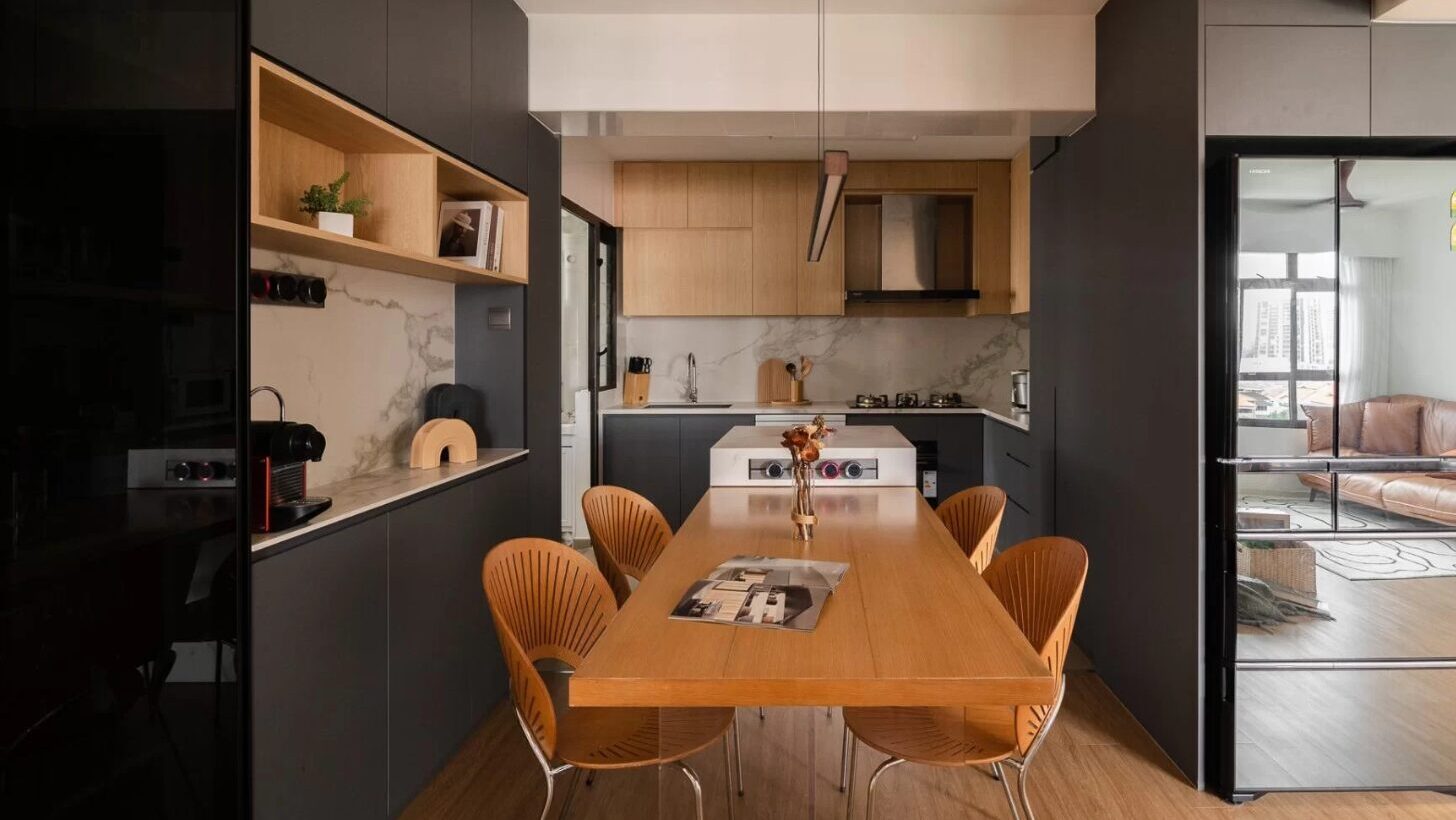
A home shapes mental wellbeing more than most people give it credit for — a chaotic space contributes to anxiety, while a thoughtfully arranged one supports clarity and calm. None of the six ideas below require a full renovation.
Embrace minimalism as a philosophy, not just a look
Minimalism is really about intentional living: owning fewer things means less to manage and maintain, which in itself reduces daily stress. Under-bed drawers, floating shelves, and multi-functional furniture make it practical to live this way without sacrificing storage.
Bring in nature-inspired elements
Plants, wood textures, and stone all tap into a fairly universal human comfort with natural materials. Peace lilies, spider plants, and pothos double as air purifiers and mood-lifters, while rattan, jute, linen, and unpolished stone add a tactile warmth that synthetic materials rarely match.
Master soft, layered lighting
Good lighting works in three layers: ambient (overall brightness), task (reading lamps), and accent (wall sconces). Warm white bulbs in the 2700K–3000K range mimic natural sunlight and support relaxation, while cool white lighting tends to feel harsher and less restful.
Use calming scents deliberately
Diffusers, incense, and candles in lavender, chamomile, bergamot, or sandalwood each serve a slightly different purpose — lavender for the bedroom to support sleep, eucalyptus in the bathroom for a spa-like feel, citrus in the kitchen for a bit of energy. Layering scent with texture and lighting amplifies the effect of each.
Lean on colour psychology
Soft blues and muted greens suit bedrooms particularly well, while warm neutrals like beige and taupe work better in social spaces. Bold colours are best kept as accents rather than dominant tones, since a whole room in a saturated hue tends to work against the calm you're going for.
Create zones with purpose, not walls
An area rug, a lighting change, or a different furniture arrangement can define a reading corner or a workspace within an open-plan room without any construction — a particularly useful trick in a studio or open-concept flat.