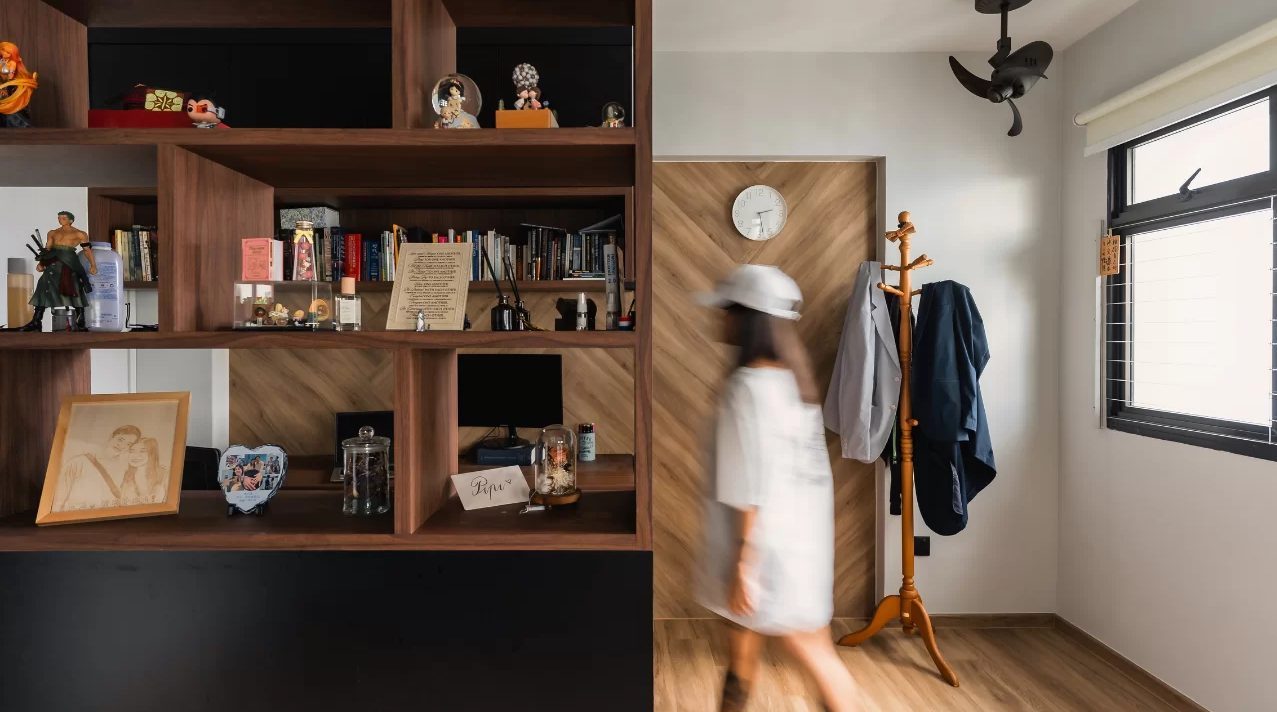
Going green at home isn't just good for the planet — it tends to pay for itself over time through lower utility bills, and it's increasingly a selling point when a home eventually goes on the market.
Why it's worth the effort
An eco-friendly home uses less energy through efficient appliances and smart systems, which shows up directly as lower bills and a smaller carbon footprint. Sustainable materials and eco-friendly paints improve indoor air quality, and simple additions like rainwater harvesting or composting extend those benefits to the wider community. It also lines up neatly with Singapore's broader push toward urban sustainability.
Building in energy efficiency
Better insulation matters more in Singapore's climate than people often assume, since it directly cuts down on heat gain. Swapping to modern LED track lighting is a simple upgrade, while structural choices like recycled steel (which reflects heat well) or rammed earth (which naturally regulates temperature) go further for those doing bigger renovation work. A green or vegetative roof adds insulation and improves air quality at the same time, and recycled glass countertops or repurposed material tiles keep the sustainability theme going down to the finishes.
Designing around the sun and the air
Passive solar design — positioning windows to make the most of natural light and shade — reduces reliance on artificial lighting and cooling. Open-concept layouts support natural ventilation, and water conservation systems like greywater recycling or rainwater harvesting cut down on wasted water. Thermal mass materials like concrete and brick help regulate indoor temperature without any extra energy input.
Practical upgrades for an existing home
Double-glazed or low-emission coated windows are a solid starting point, alongside solar panels to take advantage of Singapore's abundant sunshine — worth checking what government rebates or subsidies might apply. Energy Star-rated appliances and water-saving fixtures (low-flow toilets, showerheads, faucets) are easy swaps. On materials, reclaimed wood, recycled metals, and upcycled furniture are all worth considering, ideally with an eye on the full life-cycle impact of whatever you choose, from production through eventual disposal.