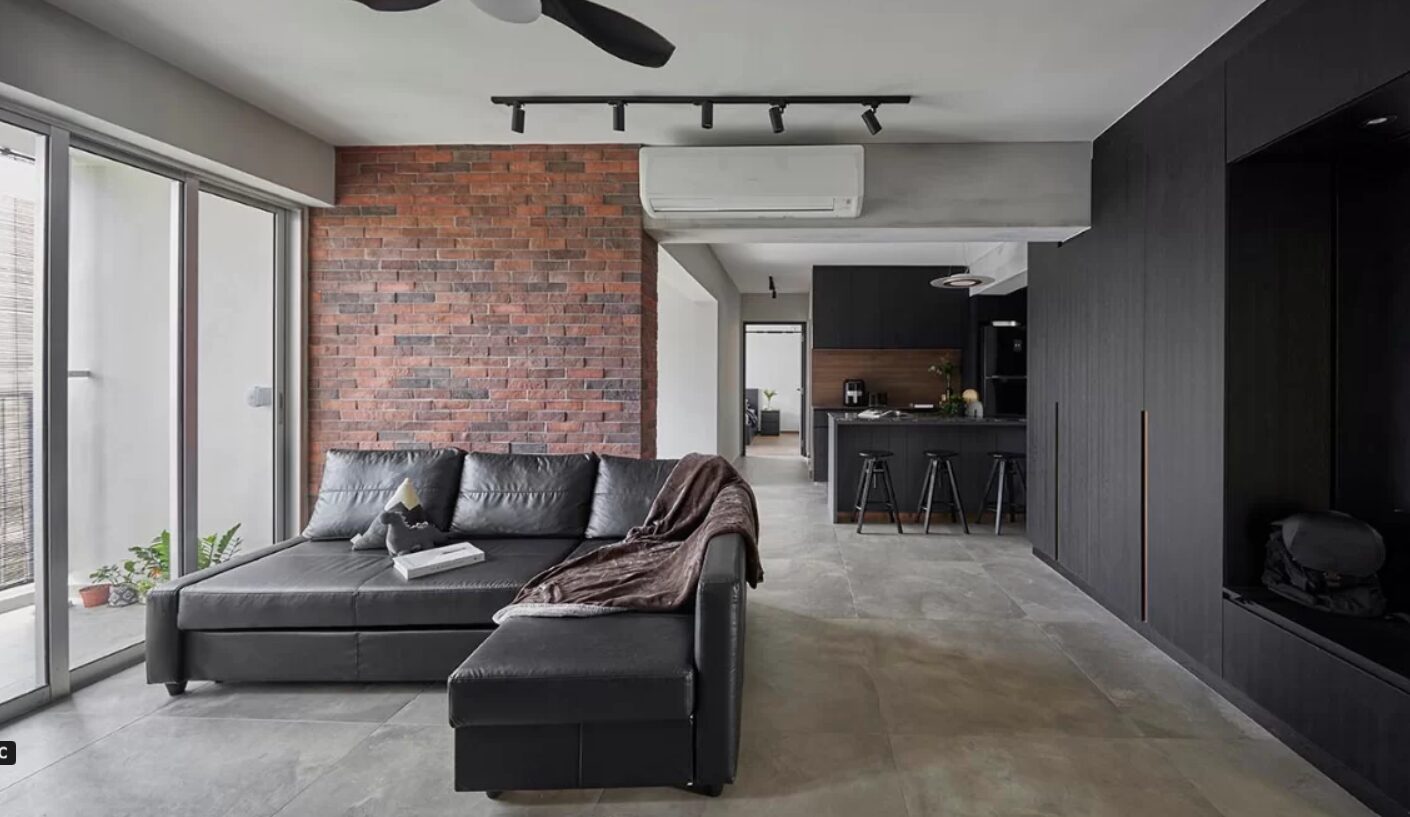
Mornings reveal how a home really works. Alarms go off, coffee is made half awake, school bags are packed, and several routines can happen at once, often within the compact footprint of an HDB flat or condominium.
Some homes absorb that rush quietly. Others add to it through cluttered counters, narrow routes, harsh lighting, or too many decisions before the day has even started.
The difference is not necessarily size, budget, or aesthetic preference. It is how intentionally the home has been designed around everyday Singapore living.
Make Movement Predictable
In a calm home, morning movement can become almost automatic. People should not need to stop and think about where to walk, how to get around someone, or which route will take them to the next task.
Designers can study movement from bedrooms to bathrooms, through the kitchen, and towards the entrance. The goal is clear, direct, uninterrupted circulation.
In Singapore's compact homes, a narrow kitchen aisle or wardrobe door opening awkwardly into a pathway can turn a small inconvenience into a repeated daily frustration.
Minimalist interior design in Singapore often uses unobstructed pathways, restrained furnishing, and visual lightness to make compact spaces feel more breathable.
Tip: Trace your usual morning route. If you repeatedly pause, detour, or squeeze past furniture, the circulation may need adjustment.
Use Storage to Prevent Visual Noise
Clutter takes up physical space, but it can also add mental pressure.
A calm home does not need to be empty. It needs practical places for everyday things such as shoes, bags, keys, and small appliances.
Full height concealed cabinets, integrated kitchen storage, and well planned entryway solutions can intercept clutter before it spreads into the rest of the home.
Tip: If everyday items repeatedly pile up on chairs or counters, look at storage placement before blaming household discipline.
Let Lighting Ease You Into the Day
Lighting affects the rhythm of a morning. A single harsh ceiling light can create a very different atmosphere from layered lighting that combines general illumination, task lighting, and natural daylight.
The aim is a gentler transition from sleep to activity.
Singapore mornings can also bring strong sunlight, so glare needs to be considered. Sheer curtains, warm bulbs, carefully angled fixtures, and suitable furniture placement can help manage brightness.
Artificial greenery can also soften strong light and the lines of a room without requiring the maintenance of real plants.
Tip: Use lighting that supports activities without flooding every corner with intense brightness. Gentle contrast can make the space feel more composed.
Choose Materials That Forgive Everyday Life
Reflective or high gloss finishes can highlight fingerprints, watermarks, and other small imperfections.
Calmer homes can benefit from matte or textured surfaces and neutral tones that provide more visual stability. Soft textured wallpapers can also add depth while reducing the harshness of crisp, stark finishes.
These materials do not demand that the home remain perfect. They can accommodate the mess and movement of real mornings.
Tip: Choose surfaces that continue to look good while being used, not only immediately after cleaning.
Create Zones for Different Morning Speeds
Not everyone in a household moves at the same pace.
A home can support different routines without adding more walls. Furniture arrangement, lighting, material changes, and texture can create subtle zones within a compact apartment.
Tall, architectural plants can also separate a window seat from the main route to the kitchen. One person can read while another prepares breakfast or heads to the shower.
Tip: If mornings feel crowded, even a small quiet nook or secondary surface can make a meaningful difference. Try shifting furniture or adding a divider.
Calm Comes From Planning
A calm home is not calm because life is less demanding. Its design simply carries part of the load.
When movement is easy, storage is intuitive, lighting is soft, finishes are forgiving, and different routines have room to coexist, the home becomes less of a source of stress.
The best designed homes do not require perfect mornings. They make room for mornings that are messy, hopeful, and human.
FAQ
1. How can I make my home feel calmer during hectic mornings?
Keep routes between bedrooms, bathrooms, and the exit clear and predictable. Use accessible concealed storage, layered lighting, and subtle zones for different household routines.
2. What storage helps keep mornings stress free?
Dedicated cubbies for shoes, hooks for keys, easy access cabinets, and organised drawers can keep everyday items accessible without leaving them on visible surfaces.
3. Why is lighting important in a calm morning atmosphere?
Layered, soft, warm lighting combined with daylight can create a gentler transition from sleep to activity and reduce overstimulation.
4. What finishes can minimise morning stress?
Matte, textured, or gently patterned surfaces can hide fingerprints and spots better than glossy finishes. Soft coloured wallpapers or neutral paints can provide a calmer visual background.
5. How can I create zones in a small flat?
Rearrange furniture, use a tall plant, change lighting, or introduce different materials and textures. A small reading corner or defined entryway can also help distribute activity.