
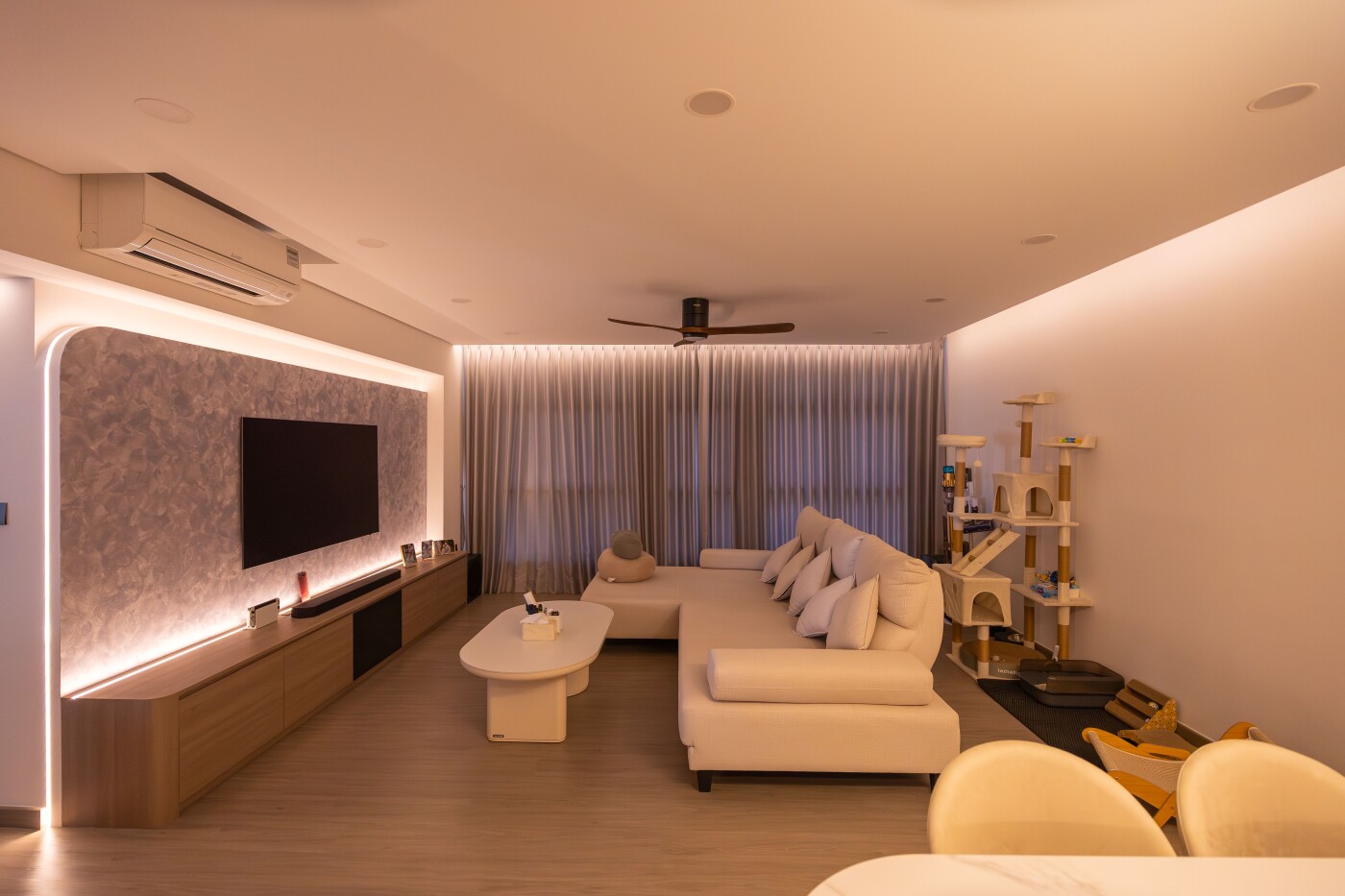
Renovating a home in Singapore can feel like a high-stakes process, whether it’s a new BTO flat, a resale HDB, a condominium upgrade, or a landed property. With significant financial investment, tight timelines, and the desire for a lasting result, every choice can feel permanent. Initially, the renovation journey is exciting you browse inspiration images, explore layouts, and imagine how your home could feel once completed. However, as decisions pile up from flooring and carpentry to lighting and furniture excitement can give way to subtle anxiety. Revisiting past choices, endlessly comparing options, and second-guessing can make the process mentally exhausting. The reality is that design regret rarely comes from a single wrong tile or paint colour. It emerges when priorities are unclear, choices are overthought, and perfection is pursued at every detail. Achieving clarity, focusing on daily living needs, and making strategic decisions are the keys to avoiding long-term regret.
 Interior Design Firm: Design Direct
Design Around Daily Life, Not Just Inspiration
It’s tempting to build your dream home around images saved on Pinterest or Instagram, especially with the sleek, aspirational interiors that dominate social media. Showrooms and influencer homes display pristine surfaces, open plans, and feature pieces that promise an upgraded lifestyle. However, once you move in and start living your real daily routines, it becomes clear how critical it is to plan around the way you actually use your space. The constraints of Singaporean homes, be it limited space in a BTO, odd corners in a resale HDB, or open layouts in a condominium, often get overlooked amid the excitement. That beautiful bar counter or sprawling kitchen island may disrupt your daily morning rush, or ambitious open shelving might turn into a magnet for dust and grease in Singapore’s humid conditions. In a multi-generational setup, spaces need to cater for varying mobility and privacy needs, balancing communal areas and quiet corners.
The happiest homeowners are those who intentionally design for their habits, thinking through how they cook, entertain, relax, and recharge. Choosing furniture and storage that truly supports your lifestyle makes all the difference. Investing in well-designed, ergonomic furniture can greatly enhance both comfort and everyday functionality. Look for pieces that offer proper support, flexibility, and long-term durability to suit your lifestyle. Take a day and “walk through” every morning and evening routine: Where does clutter build up? Where do you get bottlenecked? Which spots offer calm and comfort? These insights will help you make practical, lasting design decisions. For more ideas on making each square foot count and choosing practical interior solutions tailored for Singapore, explore our guide to affordable interior design ideas for Singapore’s HDB living.
Tip: Mentally walk through a typical weekday in your home, from morning routines to evening wind-down, to ensure that the design supports everyday living comfortably.
 Interior Design Firm: Mercurial Interior Design
Prioritise High Impact Decisions Over Minor Details
During renovation, decision fatigue is real. Homeowners often find themselves obsessing over the smallest choices: the exact shade of a drawer pull, the length of every handle, or the style of lighting in a single corner. This approach not only slows progress but also saps energy from decisions that truly shape the comfort and function of your home. High-impact choices such as layout configuration, where your main plumbing and electrical points go, the type of flooring installed throughout your home, or the structure of major built-in carpentry define how you’ll use the space for years to come. Flooring plays a key role in both aesthetics and maintenance. Choosing the right material based on durability, ease of upkeep, and overall look will help ensure your space remains practical and timeless. Even in landed homes, thoughtful attention to high-impact decisions ensures spaces remain functional and future-proof. These aspects are costly and laborious to change. In contrast, wall colours, textiles, accent decor, and even most lighting types can be updated without major fuss or expense.
If you’re struggling to set priorities, make a checklist with two columns, “Hard to Change” and “Easy to Change.” This allows you to channel your diligence, budget, and attention where it counts, while making confident, quick decisions on the rest. For example, investing in sofa sets, dining tables, or beds that offer genuine longevity will serve you well, rather than putting those resources towards easily replaceable knick-knacks. This approach leaves space for your style to evolve and wards off regret from fixating on the wrong details. Need help deciding where your investment matters most? Explore recommendations for the best furniture pieces to invest in for long-term use.
Tip: Categorize renovation choices into “Hard to Change” and “Easy to Change,” focusing most attention on structural elements while making minor choices quickly and confidently.
Be Realistic About Maintenance in Singapore's Climate
Singapore’s climate is uniquely challenging for homeowners, and your material choices today can become a maintenance headache tomorrow. Humidity, heat, dust, and occasional damp spells impact finishing decisions from the type of flooring that stays cool underfoot, to surfaces that resist fingerprints and grime, to cabinetry that won’t warp or peel. Shiny finishes might look modern but will show fingerprints and streaks daily. Dark flooring emphasises every bit of dust or pet hair, open shelves, textured surfaces, and elaborate mouldings may trap dirt and be a pain to clean. Across smaller HDB units or even in landed homes with bigger footprints, the key regret often isn’t about mismatched colours, but about the unending cycle of cleaning and upkeep too complicated to manage amidst a busy Singaporean lifestyle. Opting for low-fuss, durable materials like high-pressure laminates, engineered wood, or easy-wipe paint can help enormously. Custom cabinetry solutions and furniture with built-in storage further streamline cleaning routines and simplify everyday life. Before making a big decision, ask yourself how it will look and function after a year or five of regular use. Will it still bring you joy, or just frustration? Check out these home renovation money-saving tips every savvy Singaporean homeowner should know.
Tip: When evaluating materials or finishes, consider how they will perform after a year of typical use and choose options that simplify maintenance.
 Interior Design Firm: Wild Design
Avoid Over Designing Every Inch
The urge to “maximise” every inch is strong in space-constrained Singapore, where built-in carpentry, storage nooks, and feature walls seem like obvious must-haves. However, overcommitting with carpentry and fixed design leaves your home inflexible as your needs change. Over-designed spaces feel visually heavy and are harder to adapt if your family grows, you add a home office, or you want to refresh the interiors down the line. Remember, built-ins are essentially permanent, making later changes expensive and disruptive. Instead, strike a conscious balance: design ample storage but always leave a section of a wall or room flexible and open for future adjustments. Modular or mobile furniture can give a space modern function without locking you into a rigid layout. For example, using open shelving paired with concealed compartments, or integrating furniture that can be easily moved or repurposed, adds agility. Not only does this create breathing room visually, but it also means you’re ready for lifestyle shifts big or small down the road. Discover small changes and clever illusions that enhance space and prevent design fatigue in 10 little things you can do to make your home look bigger.
Tip: Deliberately preserve at least one flexible element in each room, such as an open wall or movable furniture, to maintain adaptability for future changes.
Design for Evolution, Not Permanence
Renovations are often seen as a long-term, one-off investment, putting pressure on homeowners to make perfect decisions that anticipate every possible future scenario. But the reality is that families evolve: children grow up, relatives move in, work-from-home needs arise, and personal tastes shift. Designing with flexibility in mind is the surest way to future-proof your investment. This can be achieved with neutral base palettes, modular furniture, and multi-purpose spaces that allow you to update decor and layouts without major overhauls. Built-in solutions such as cabinets or wardrobes should be scoped for general function and storage rather than niche requirements, leaving you space to customise as needed. When planning your kitchen or storage solutions, prioritise layouts and materials that balance functionality with visual appeal. Customisation and efficient space planning can make a significant difference in daily use. Avoid excessive “theme” commitment, as hyper-specific styles age quickly and can make your home harder to update or sell later. Instead, aim for spaces that invite change: think extendable dining tables, reconfigurable shelving, and rooms that can transition from a play area to a study, or a guest room to a gym. This approach ensures your home can flex with you, reducing the anxiety that comes from trying to predict every twist and turn of life. For practical strategies on ensuring your renovation will serve your future needs, read 9 renovation tips that help future-proof your property resale value.
Tip: When making design decisions, focus on whether a choice can adapt to evolving needs rather than attempting to be perfect for all future scenarios.
 Interior Design Firm: Mos Interior Design
Many homeowners in Singapore approach renovation with a desire for absolute certainty, seeking perfect outcomes to justify significant emotional and financial investments. But the most satisfying spaces aren’t those without a single flaw; they are the ones where clarity not perfection guided every decision. By honing in on how you truly live, distinguishing essential, long-term choices from changeable details, and creating flexibility for the unexpected, you’ll design a home you can grow with and enjoy. Accept that not every decision will be perfect forever; instead, make choices you feel confident about for the foreseeable future. When you focus on clarity of use and adaptability, you avoid paralysis by analysis and empower yourself to create a home that feels just right with space to refresh it when life changes.
 Interior Design Firm: Mikaboo Interior
Homes that remain calm and effortless to live in don’t happen by chance. They are shaped by thoughtful decisions from the very beginning where circulation follows real routines, storage anticipates daily habits, lighting eases the start of the day, and materials are chosen to age gracefully with use.
Each choice works quietly in the background, reducing friction over time. When you're ready to refresh your space, connect with us and we'll match you with designers who can turn these practical ideas into a home that truly feels yours.
FAQ
1. What causes regret in home design?
Regret often happens when homeowners prioritise appearance or trends over practical needs. If the design doesn’t support your daily routines or is hard to maintain, you’re more likely to feel dissatisfied after moving in.
2. How can I design a home that fits my lifestyle?
Start by mapping out your daily schedule and habits. Think about how you move through the space, where you need storage, and what areas get the most use. Design your layout, storage, and furniture placement to support these real-life patterns instead of just copying what looks good online.
3. What renovation decisions matter most?
Decisions involving the main layout, flooring materials, electrical and plumbing points, and major built-in carpentry are most important. These are expensive and disruptive to change later, so invest time and budget to get them right from the start.
4. How do I prevent maintenance headaches?
Select materials that are durable and easy to clean, such as moisture-resistant laminates or tiles suitable for humid climates. Avoid finishes that show dirt easily or require constant upkeep this will make daily life much less stressful.
5. Why keep spaces flexible in design?
Your needs will naturally evolve over the years due to changes in family size, lifestyle, or personal preferences. Keeping some spaces or furniture modular and not overcommitting to built-ins allows your home to adapt easily, saving you money and avoiding major renovations later.


