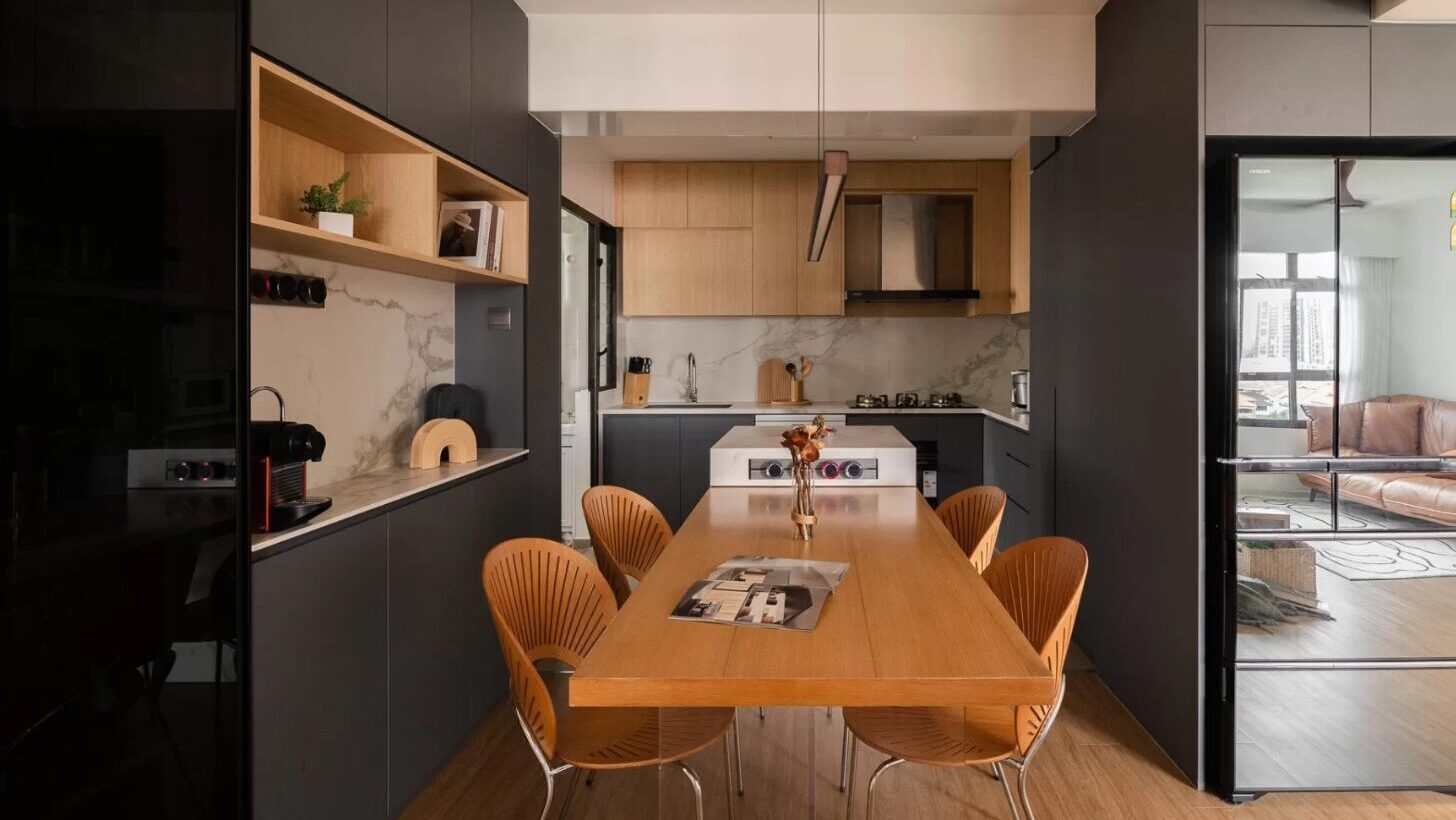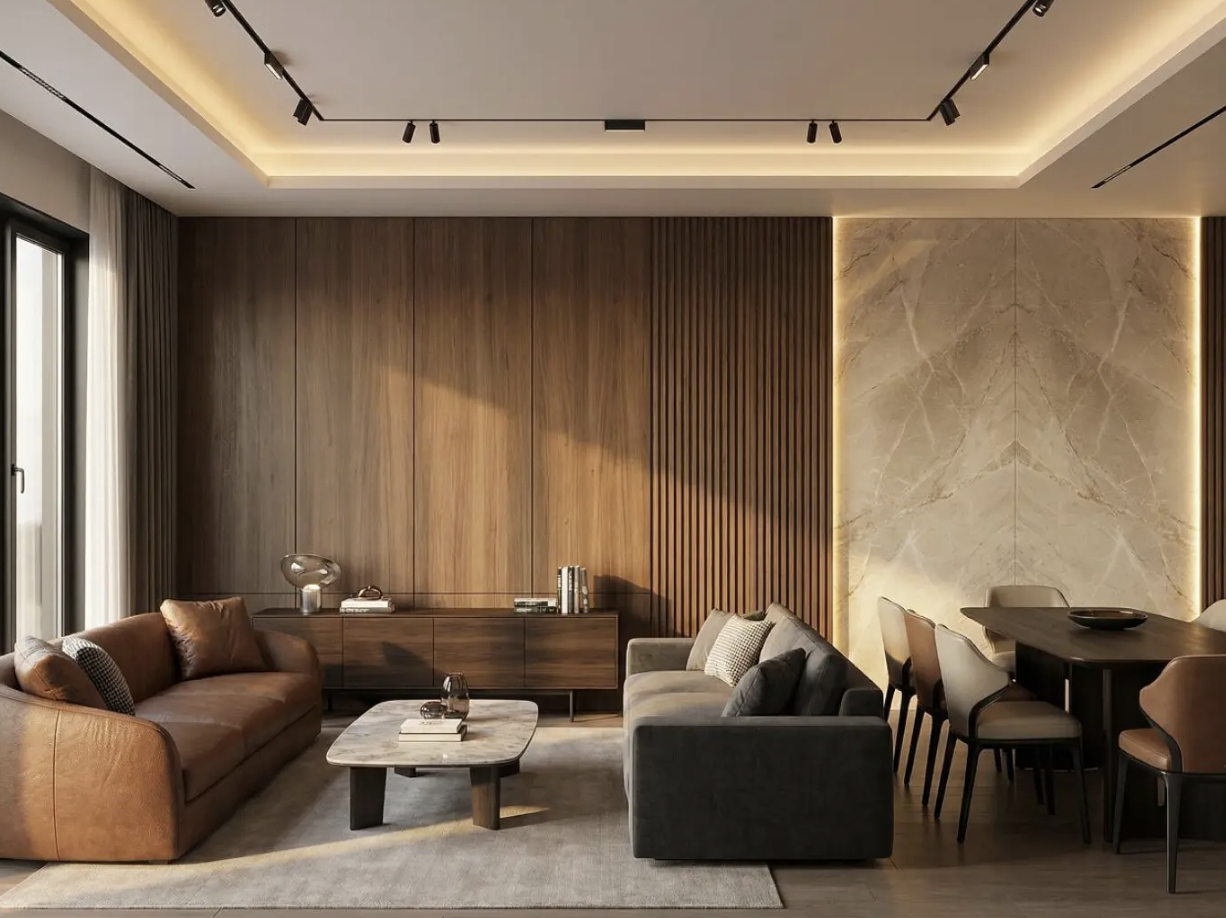
The manner in which furniture is arranged within a home exerts a profound influence on the way we live, interact, and find comfort day-to-day. An often-underestimated aspect of interior design, thoughtful furniture placement is vital in transforming a series of rooms into a coherent, calming retreat, especially in space-conscious environments like those found in Singapore. In such contexts, efficiency does not need to come at the expense of style or comfort. Instead, each piece of furniture can serve as a carefully selected cornerstone to a refined lifestyle supporting not just the practicalities of daily life but also fostering a sense of belonging, relaxation, and emotional well-being. The importance of mindful layout is not merely decorative; it organises the flow of communal life, carves out moments of privacy, and helps relieve visual clutter, thereby contributing to mental clarity and an at-home sense of serenity. Through intention and considered design whether in an HDB flat, modern condominium, or landed property homeowners can unlock an interior’s hidden potential, heighten its capacity for meaningful gatherings, and enhance its ambience for quiet solitude or lively entertainment alike. In a city where every square metre is precious and multifunctionality is essential, the thoughtful arrangement of furniture becomes an art form that elevates everyday living into an experience of beauty and purpose.
 Interior Design Firm: Va Maison Design
Encouraging Flow and Movement
Movements throughout your home should feel effortless and unconstrained something that is often compromised when furniture is placed purely out of habit or pushed into corners in an attempt to maximise space. In many Singapore homes, where rooms frequently serve more than one function, the arrangement of each sofa, chair, and table plays a crucial role in shaping how comfortably you move through the day. Rather than viewing furniture as fixed objects, it helps to think of them as part of a living layout that guides movement. Clear pathways, much like gentle currents, should naturally lead you from the entryway to the living area, and onward to dining or private spaces. When layouts are intuitive, you move through your home without thinking, and that sense of ease quietly improves daily routines.
When large pieces are pressed too tightly against walls or positioned in ways that interrupt natural walkways, a home can quickly feel restrictive, even if the square footage is sufficient. By contrast, slightly pulling furniture away from walls, angling seating, or allowing breathing room between pieces can instantly create a greater sense of openness. This is especially valuable in households with children or elderly family members, where safety and comfort go hand in hand. Minimising sharp turns and tight gaps reduces the risk of accidents while also lowering daily stress. Often, the change does not require new furniture; simply repositioning a coffee table, widening the space between a sofa and console, or rethinking how armchairs are oriented can transform the atmosphere. Over time, these subtle adjustments contribute to a home that feels calmer, more spacious, and naturally aligned with the way people live. To see how open layouts work in the Singapore context and how they can transform living experiences, get inspired by these insights on spacious living and open-concept living rooms.
Tip: Always aim to leave at least 60-80cm of space between furniture pieces, accounting for easy movement around and between major fixtures from doors, windows, and high-use areas.
 Interior Design Firm: Columns n Graph
Creating Purposeful Zones
In homes designed for flexibility where the boundaries between kitchen, living, and work areas naturally blur, intentional zoning becomes an essential strategy rather than a purely aesthetic choice. Especially in Singapore homes, where open-plan layouts are common and space must work harder, furniture can act as subtle yet effective dividers that bring order without the need for walls. A well-positioned sofa, for instance, can gently anchor the living area while visually separating it from the dining space, creating a sense of structure without interrupting openness. Similarly, a slim bookshelf, a console table, or even a carefully placed armchair paired with a floor lamp can define a quiet corner for reading or focused work. These thoughtful arrangements help each area serve its purpose more clearly, allowing the home to support multiple activities at once without feeling cluttered or overwhelming.
When zoning is done well, the home begins to feel more expansive, dynamic, and intuitive to use. Each family member can naturally gravitate towards spaces that suit their needs whether it’s a calm corner for unwinding, a bright spot for productivity, or a communal area for gathering. Beyond furniture placement, elements like area rugs, pendant lighting, and cohesive colour palettes can further reinforce these zones, giving each one its own identity while maintaining overall harmony. Over time, this layered approach to zoning creates a home that feels thoughtfully curated yet effortless to live in, where transitions between activities are smooth and every space feels purposeful without being rigid. For a look into inspired multi-zoning and décor solutions, check out electic interior design ideas and discover how to blend style with order.
Tip: Use area rugs to anchor zones, dedicated lighting to highlight their function, and orient furniture toward focal features, such as a garden view, television, or a reading lamp, so each space feels specific and welcoming.
 Interior Design Firm: Whitehaus Interior Design
Maximising Light and Views
Nothing elevates a home’s mood and sense of spaciousness quite like the presence of natural daylight and uninterrupted views. In Singapore homes, where window sizes and external outlooks can sometimes be limited by surrounding buildings, making the most of available light becomes especially important. Furniture placement plays a quiet yet powerful role here. Bulky or tall pieces positioned too close to windows can block sunlight and visually compress the room, making interiors feel dim and enclosed. By contrast, opting for low-back sofas, open-leg armchairs, or glass-topped tables allows light to travel freely across the space, creating a brighter and more breathable environment. Even subtle adjustments such as shifting a cabinet slightly away from a window can noticeably improve how light fills the room throughout the day.
Beyond brightness, thoughtful placement can also frame and enhance whatever views are available, turning them into part of the home’s everyday experience. Avoid placing tall wardrobes or heavy storage units near windows or balcony doors, as these interrupt sight lines and create pockets of shadow. Instead, keep these areas visually open, allowing the eye to extend outward and making the space feel larger than it is. Mirrors can further amplify this effect when positioned opposite windows, reflecting daylight deeper into the home while adding a sense of depth. Small, intentional moments like placing a lounge chair, reading nook, or breakfast table near a sunlit window can transform ordinary routines into calming rituals. Over time, these light-filled corners not only enhance the home’s aesthetic but also support a more uplifting and comfortable daily living experience. For further reading on enhancing light and openness in your abode, explore ideas making your home look bigger.
Tip: Position mirrors opposite windows to reflect and magnify light; keep tall or opaque furniture away from these sources, and favour low-profile or translucent pieces to make the most of every ray of sunshine and scenic view.
 Interior Design Firm: IH Design
Supporting Daily Activities
A truly comfortable home is one where every piece of furniture quietly supports the way its occupants live, rather than simply filling up space. Achieving this begins with observing the rhythms of daily life how mornings unfold, where people tend to gather, and which areas feel underused or congested. In many Singapore households, where efficiency is key, even small adjustments can make a meaningful difference. A shoe bench placed near the entrance can streamline busy mornings, while a compact desk positioned away from high-traffic zones creates a more focused and productive work environment. In the kitchen, adding a counter stool or a small seating nook can turn quick meals into moments of connection, allowing family members to interact naturally even during routine activities.
Over time, aligning furniture placement with real habits creates a home that feels intuitive and supportive, where movement and activities happen naturally without friction. Bedrooms, for instance, benefit from thoughtful touches like well-placed bedside tables, accessible lighting, or a comfortable reading chair that encourages relaxation at the end of the day. The key is not perfection, but responsiveness, regularly reassessing how each space is used and making small refinements when something feels inconvenient or overlooked. For more detailed advice with these practical tips for designing your dream to support both your current and aspirational daily needs.
Tip: Analyse your routines for a week, note where things tend to accumulate, where congestion happens, or comfort is lacking then shift furniture to actively support activities for all household members.
 Interior Design Firm: Concept Matters
Balancing Function and Aesthetics
It’s a delicate balancing act to combine practical utility with cohesive, attractive design particularly in Singapore’s compact homes, where every square metre counts. Oversized furniture can easily overwhelm a room, restricting circulation and blocking natural light, while pieces that are too small or mismatched may appear haphazard, leaving the space feeling disconnected. Striking the right balance starts with selecting primary ‘anchor’ pieces, such as a well-proportioned sofa or dining table, which establish the scale and rhythm for the rest of the room. These foundational items provide both function and visual stability, guiding the placement of secondary elements.
Once anchor pieces are in place, accent furniture, modular storage units, or occasional chairs can be integrated thoughtfully, ensuring that height, style, and positioning remain harmonious. Symmetry and alignment with key focal points whether a feature wall, TV, or window reinforce a sense of order and openness, while clear sight lines make rooms feel more spacious and inviting. Layering materials, colours, and textures adds depth and sophistication, creating interiors that are not only visually pleasing but also comfortable and practical for daily living. With careful attention to proportion and cohesion, even smaller Singapore homes can achieve a sense of elegance without compromising usability. For excellent guidance on marrying looks with real-life usability, visit the best furniture pieces to invest in for long term use which highlights how smart selections support both purpose and style.
Tip: Place large anchor pieces first, then thoughtfully add secondary items side tables, ottomans, and shelves always ensuring the arrangement maintains open circulation while enriching the design theme.
 Interior Design Firm: Sora Studios
Homes that remain calm and effortless to live in don’t happen by chance. They are shaped by thoughtful decisions from the very beginning where circulation follows real routines, storage anticipates daily habits, lighting eases the start of the day, and materials are chosen to age gracefully with use.
Each choice works quietly in the background, reducing friction over time. When you're ready to refresh your space, connect with us and we'll match you with designers who can turn these practical ideas into a home that truly feels yours.
FAQ
1. What should I prioritise first when planning my furniture layout?
Prioritise clear pathways and unobstructed movement, especially in high-traffic zones like living and dining areas. Begin with larger furniture “anchor” pieces, then fit in secondary or accent items. Ensuring pathways of at least 60-80cm allows everyone to move comfortably and safely.
2. How can I create separate zones in an open-plan flat?
You can cleverly use furniture itself like the backs of sofas, low shelves, area rugs, or targeted lighting to visually separate areas without building walls. This creates natural “rooms” for dining, working, or relaxing, even within a shared open space.
3. What's the best way to maximise natural light and views in my home?
Avoid placing bulky or tall furniture close to windows. Instead, use low-profile seating and reflective surfaces like mirrors. This lets daylight travel further into the home and keeps outside views open, making interiors feel larger and more cheerful.
4. How can furniture placement improve my daily routines?
Pay attention to how your household moves and uses each space. Place key furniture near activity hubs: a shoe bench by the main door, a reading chair near a window, or a work desk in a quiet, well-lit corner. Small changes can greatly streamline routines and reduce daily hassle.
5. Why is flexibility important in Singapore homes and how do I achieve it?
Needs can change as children grow, you might work from home, or host guests more often. Flexible furniture like modular sofas, extendable tables, or moveable storage means your layout can adapt easily and remain uncluttered. Investing in such pieces ensures your home always fits your lifestyle.